
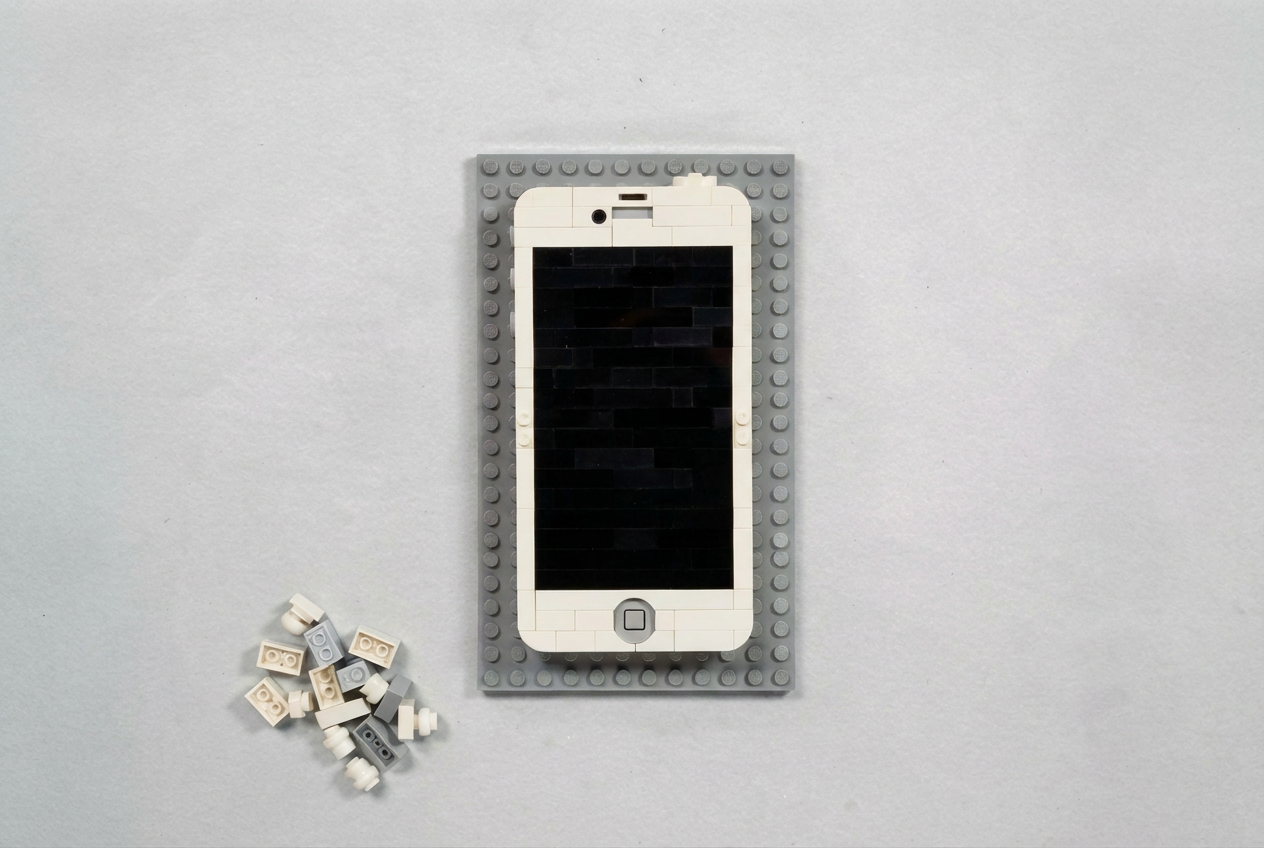
Planet B develops initiatives that respond to specific problems in how technology is designed, used, and disposed of. We focus on durability, repair, materials, and long-term value rather than short-term replacement.
See what we´re building
Our initiatives are shaped by a consistent design approach. These principles guide how our products are conceived, built, supported, and evaluated over time.
We prioritise durability, repair, and continued usefulness so products remain in service for longer.
Environmental improvement only matters if it works at normal margins and scale.
Materials and packaging are chosen to reduce impact where they genuinely improve durability and outcomes.
Repair, warranty, and ongoing support are considered part of the design, not afterthoughts.
We rely on evidence, independent standards, and transparency rather than claims or slogans.
Products, support models, and reporting are designed to improve as initiatives scale.
Much of today’s technology is designed for short lifecycles. Products are often difficult to repair, uneconomic to support, or intentionally sealed in ways that promote replacement over maintenance. Responsibility frequently ends at the point of sale, even when products could remain useful for much longer.
This approach leads to unnecessary waste, early disposal, and the loss of value embedded in materials, manufacturing, and energy. It also shifts environmental and financial costs away from producers and towards consumers, waste systems, and the environment.
Planet B builds initiatives to address these issues directly. Rather than focusing on one problem in isolation, we look at how durability, repair, materials, and long-term support interact across the technology lifecycle, and where better design and operating choices can reduce waste in practical, commercially viable ways.
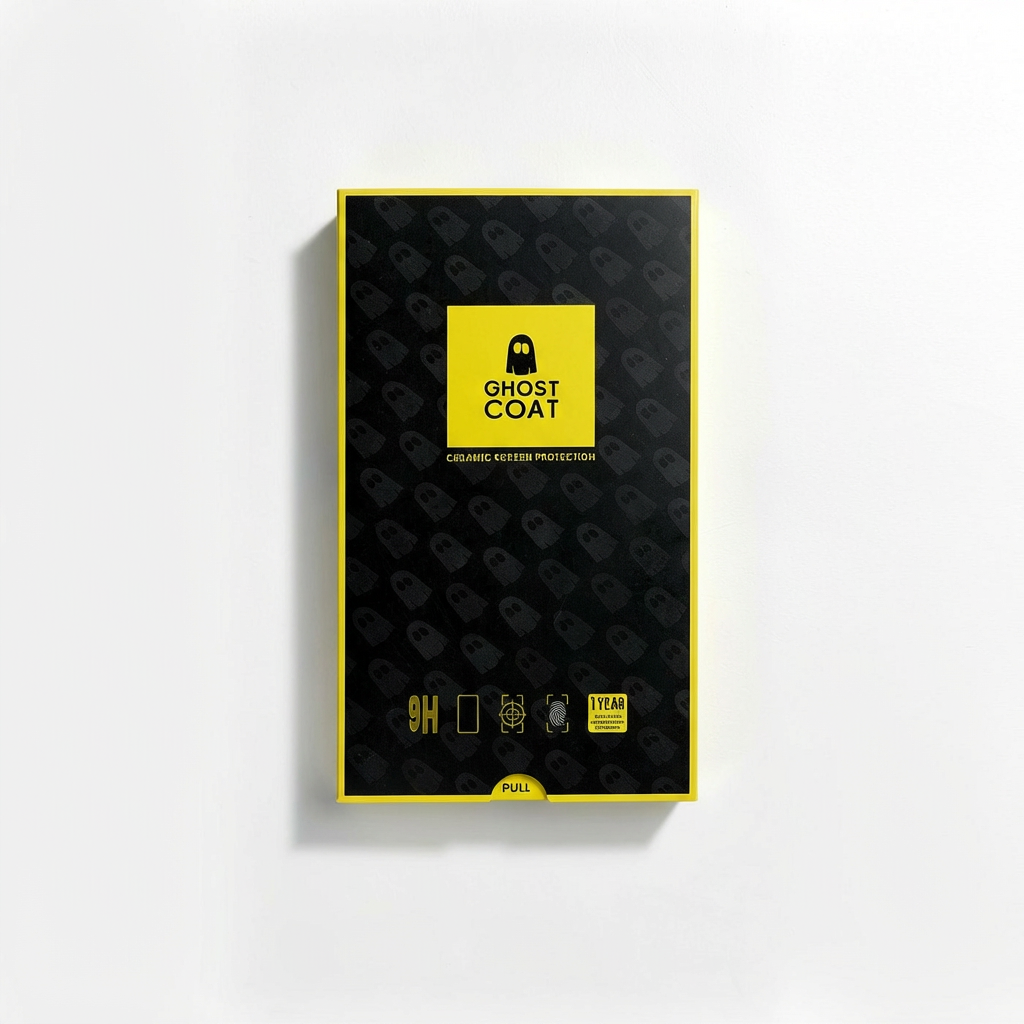
Ceramic screen protection designed to reduce damage, extend device life, and avoid unnecessary replacement
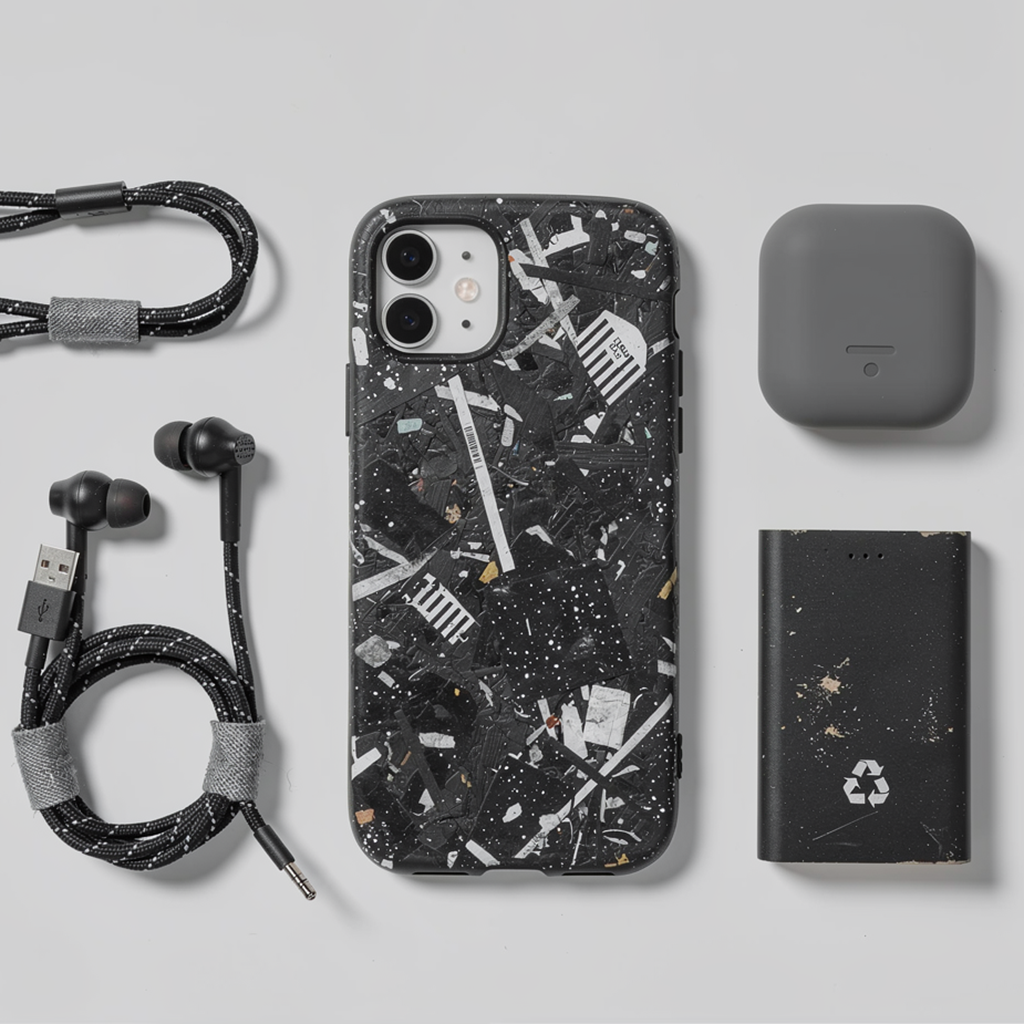
GRS-certified recycled material accessories designed to reduce material waste and the impact of everyday technology
New initiatives focused on repair, reuse, and lifecycle support
We use independent standards and reporting frameworks to measure environmental impact and assess progress over time. These tools help us understand where decisions matter, where improvement is needed, and how initiatives perform as they scale.
Reporting is treated as an ongoing discipline rather than a finished state. It is used to inform design choices, highlight trade-offs, and create a consistent basis for review as initiatives evolve.
The purpose of measurement is to build clarity, expose limitations, and improve how products and systems are designed, supported, and refined over time. We publish this information openly so that our decisions, progress, and shortcomings can be examined, questioned, and held to account.
The Planet B Project is a work in progress. Our initiatives continue to evolve as we learn more about where design, materials, and support choices can reduce waste and improve long-term value.
If you would like to learn more about what we are building, explore potential partnerships, or discuss the challenges outlined here, we welcome thoughtful enquiries.